
Corrosion Protection for Space and Satellite Hardware
Surface preparation, coating selection, process control, and manufacturing support for satellite components, launch systems, defense hardware, and precision space-manufacturing applications.
Why corrosion protection matters in space and satellite manufacturing.
Space and satellite hardware may experience demanding conditions throughout manufacturing, storage, transportation, launch, ground handling, and operational service.
Components can be exposed to moisture, salts, cleaning residues, dissimilar metals, handling contamination, thermal variation, fuels, process chemicals, and environmental conditions that affect surface performance.
Even when hardware is ultimately operated in a controlled or low-moisture environment, corrosion risk can begin much earlier in the manufacturing lifecycle.
Reliable protection therefore depends on more than applying a final coating. Material selection, machining, cleaning, pretreatment, coating chemistry, rinsing, sealing, inspection, storage, and process control all influence the long-term condition of the component.
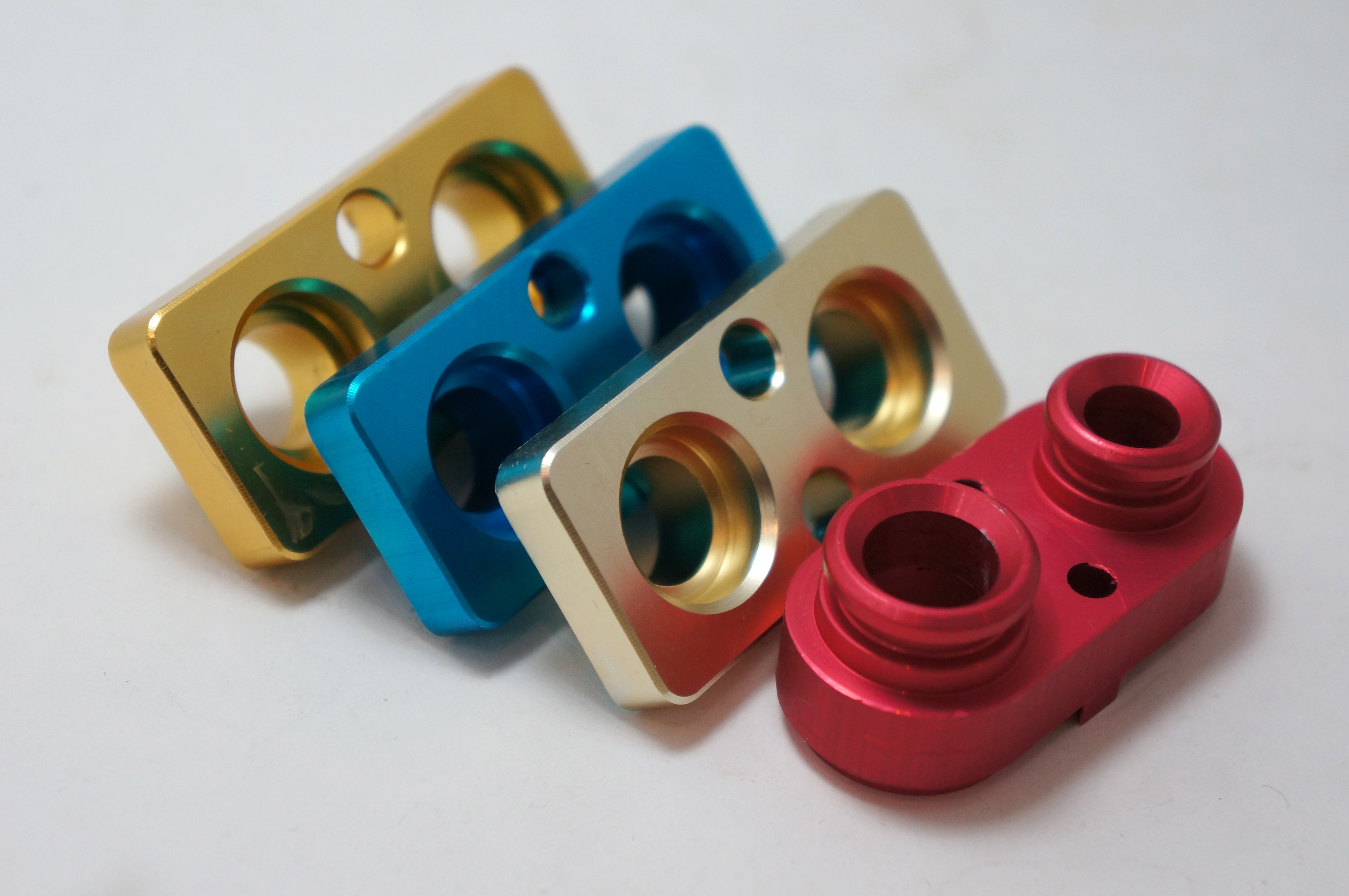
Corrosion can begin long before hardware reaches space.
Manufacturing and handling conditions can introduce corrosion risk before a component is assembled, launched, or placed into service.
Storage, transport, rinsing, condensation, and uncontrolled environments can expose surfaces to moisture.
Contact between different metals can create galvanic conditions when an electrolyte is present.
Oils, fingerprints, residues, embedded soils, and cleaning byproducts can interfere with coating performance.
Threads, recesses, edges, blind features, complex geometry, and internal surfaces can be difficult to protect consistently.
Inadequate cleaning, oxide removal, activation, or deoxidizing can reduce adhesion and long-term coating performance.
Temperature, concentration, pH, contamination, rinsing, loading, and equipment condition can influence finished-part quality.
Scratches, contact marks, poor packaging, and assembly operations can compromise protective surfaces.
A coating that performs well in one environment may not be appropriate for another substrate, assembly, or service condition.
Corrosion protection begins with the entire surface-finishing process.
Strong performance comes from controlling each stage of the process rather than relying on a coating to compensate for inconsistent preparation or equipment conditions.
Material and Substrate Review
Aluminum alloy, steel type, copper alloy, titanium, plated substrates, and mixed-material assemblies may require different preparation and protection strategies.
Cleaning and Surface Preparation
Oils, oxides, residues, and embedded contamination must be removed without damaging the substrate or creating new finishing problems.
Pretreatment and Activation
Correct etching, deoxidizing, descaling, activation, or conversion treatment helps create a surface suitable for the selected finish.
Coating Selection
Electroless nickel, anodizing, passivation, conversion coatings, sealers, and other finishes provide different functional properties.
Process Control
Chemistry, temperature, pH, concentration, filtration, agitation, loading, replenishment, and equipment performance influence coating quality.
Inspection and Verification
Thickness, adhesion, appearance, coverage, corrosion testing, and specification compliance help verify that the process meets program requirements.
Space and satellite hardware that may require corrosion protection.
The selected finish depends on substrate, geometry, mating conditions, electrical requirements, thermal exposure, environmental conditions, and the governing drawing or process specification.
Satellite Structures
- Mounting brackets
- Frames and structural members
- Panels and housings
- Machined aluminum hardware
Launch Hardware
- Fittings and interfaces
- Actuation components
- Mechanical assemblies
- Ground-support hardware
Propulsion and Fluid Systems
- Valves and fittings
- Housings and manifolds
- Threaded components
- Precision-machined interfaces
Electronics and Connectors
- Connector housings
- Electronic enclosures
- Shielding components
- Grounding and interface hardware
UAV and Autonomous Systems
- Lightweight aluminum parts
- Sensor housings
- Mechanical hardware
- Connector assemblies
Precision Components
- Complex geometries
- Threads and recesses
- Tight-tolerance components
- Functional surfaces
Reliable corrosion protection is built step by step.
Each process stage affects the one that follows. A failure in cleaning or pretreatment may not become visible until coating, testing, assembly, or service.

Selecting the Right Corrosion Protection System for Space Hardware.
There is no single corrosion-protection process that is right for every component.
Substrate, geometry, coating thickness, electrical conductivity, wear, dimensional requirements, appearance, assembly conditions, temperature, service exposure, and approved specifications all affect the final selection.
For applications where electroless nickel is being evaluated, see our technical guide Electroless Nickel for Aerospace Components, which explains coating performance, phosphorus selection, process considerations, and production support.
Selection Questions
- What material is being protected?
- What environment will the component encounter?
- Are electrical conductivity or grounding required?
- Are tight tolerances or threaded features involved?
- Will the part contact a dissimilar metal?
- What drawing or program specification applies?
Uniform Functional Protection
EN may be selected for uniform deposit coverage, corrosion resistance, wear performance, and coating of complex geometries.
Protection for Aluminum
Anodizing, conversion coatings, dyes, sealers, and related pretreatments may be used to protect and modify aluminum surfaces.
Final Surface Protection
Passivation, chromates, sealers, rinses, and post-treatment products may help improve corrosion resistance and finished-part performance.
Supporting the production system behind corrosion protection.
Coating performance is influenced by chemistry, equipment, controls, rinsing, temperature, filtration, ventilation, maintenance, and operator execution.
Chemistry and Surface Preparation
- Industrial cleaners
- Aluminum pretreatment
- Deoxidizers and activation
- Electroless nickel systems
- Passivates, chromates, and sealers
Equipment and Process Control
- Process tanks and finishing lines
- Filtration and circulation
- Heating and temperature control
- Ventilation systems
- Chemical feed and automation
Lifecycle and Technical Support
- Process troubleshooting
- Calibration services
- Maintenance and repair
- Control-system modernization
- Wastewater treatment support
Why integrated support matters in space manufacturing.
A protective finish cannot perform consistently when the production system behind it is unstable.
Poor cleaning, uncontrolled temperature, inadequate filtration, aging tanks, inconsistent chemical feed, ventilation problems, rinse contamination, equipment failures, and outdated controls can all create defects or shorten process life.
Ronatec helps customers evaluate corrosion protection as a connected manufacturing process rather than a single chemistry purchase.
Integrated Support Can Include
- Surface-preparation review
- Coating and chemistry selection
- Process tanks and equipment
- Temperature, filtration, and circulation
- Controls and chemical feed
- Calibration and maintenance
- Wastewater treatment
- Line repair and modernization
Continue exploring aerospace, defense, and space manufacturing support.
Corrosion protection for space and satellite hardware.
Why does space hardware need corrosion protection?
Components may encounter moisture, salts, cleaning residues, handling contamination, dissimilar metals, storage conditions, transportation environments, and ground exposure before launch or service.
What finishes are used for satellite and launch components?
Depending on substrate and requirements, manufacturers may use electroless nickel, anodizing, conversion coatings, passivation, chromates, sealers, protective coatings, and other approved finishing systems.
Why is surface preparation important for corrosion protection?
Oils, oxides, residues, and contamination can reduce coating adhesion, create defects, or interfere with the protective finish. Cleaning and pretreatment establish the surface required for consistent coating performance.
How do dissimilar metals affect corrosion risk?
When different metals are electrically connected in the presence of an electrolyte, galvanic corrosion can occur. Material selection, isolation, coatings, sealants, drainage, and assembly design may all influence the risk.
Can Ronatec support more than the coating chemistry?
Yes. Ronatec supports surface preparation, plating and finishing chemistry, tanks, equipment, filtration, ventilation, controls, calibration, repair, modernization, and wastewater treatment.
Can Ronatec help evaluate an existing finishing process?
Yes. Ronatec can help review chemistry, surface preparation, equipment condition, controls, temperature, filtration, ventilation, maintenance, and other factors affecting process performance.
Need support with corrosion protection for space or satellite hardware?
Whether you are evaluating surface preparation, selecting a protective finish, troubleshooting an existing line, or planning new process equipment, Ronatec can help identify practical next steps.